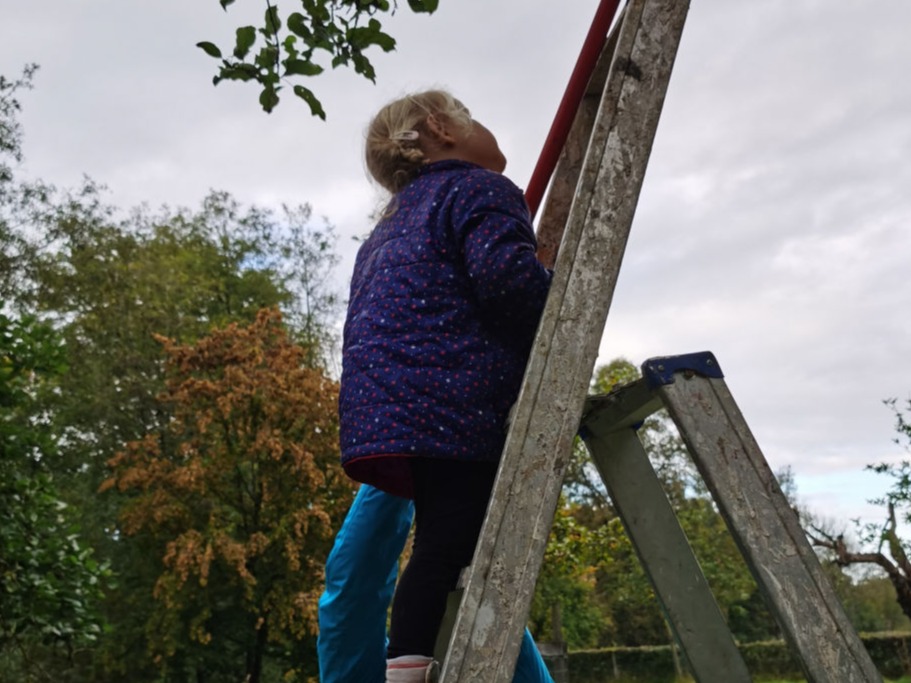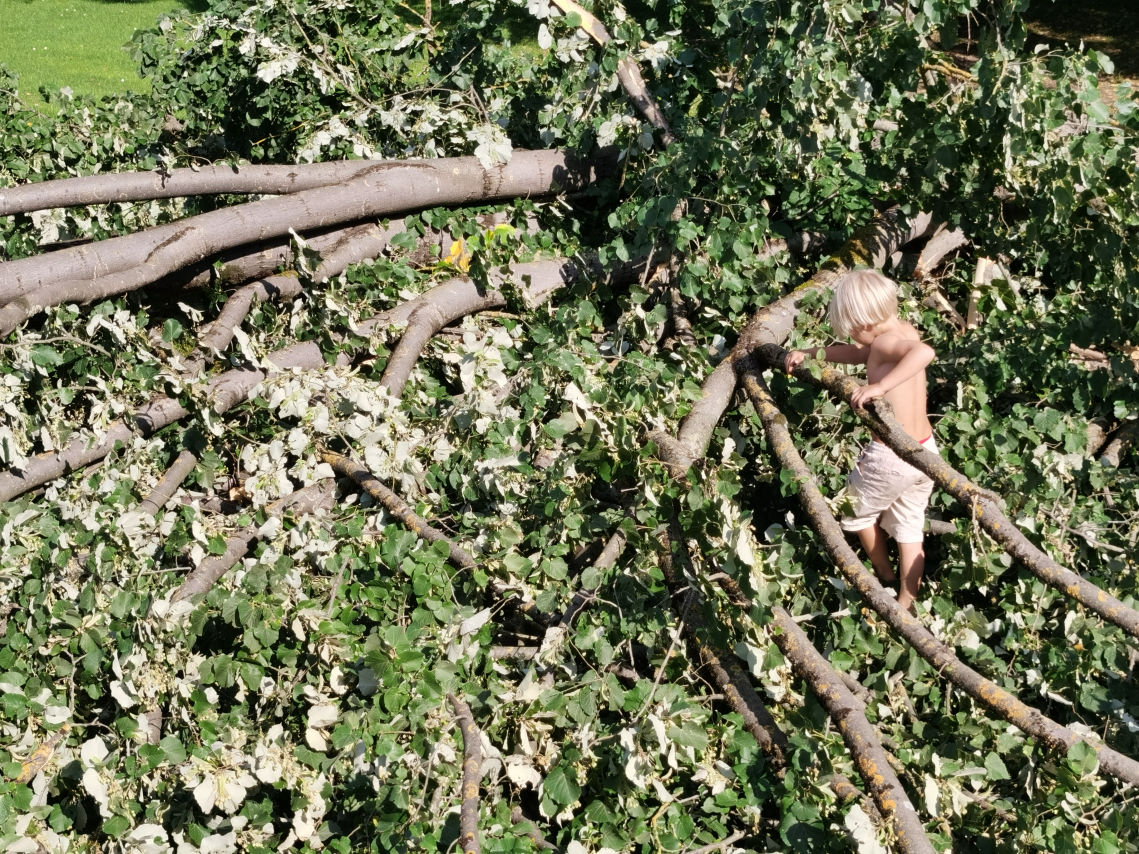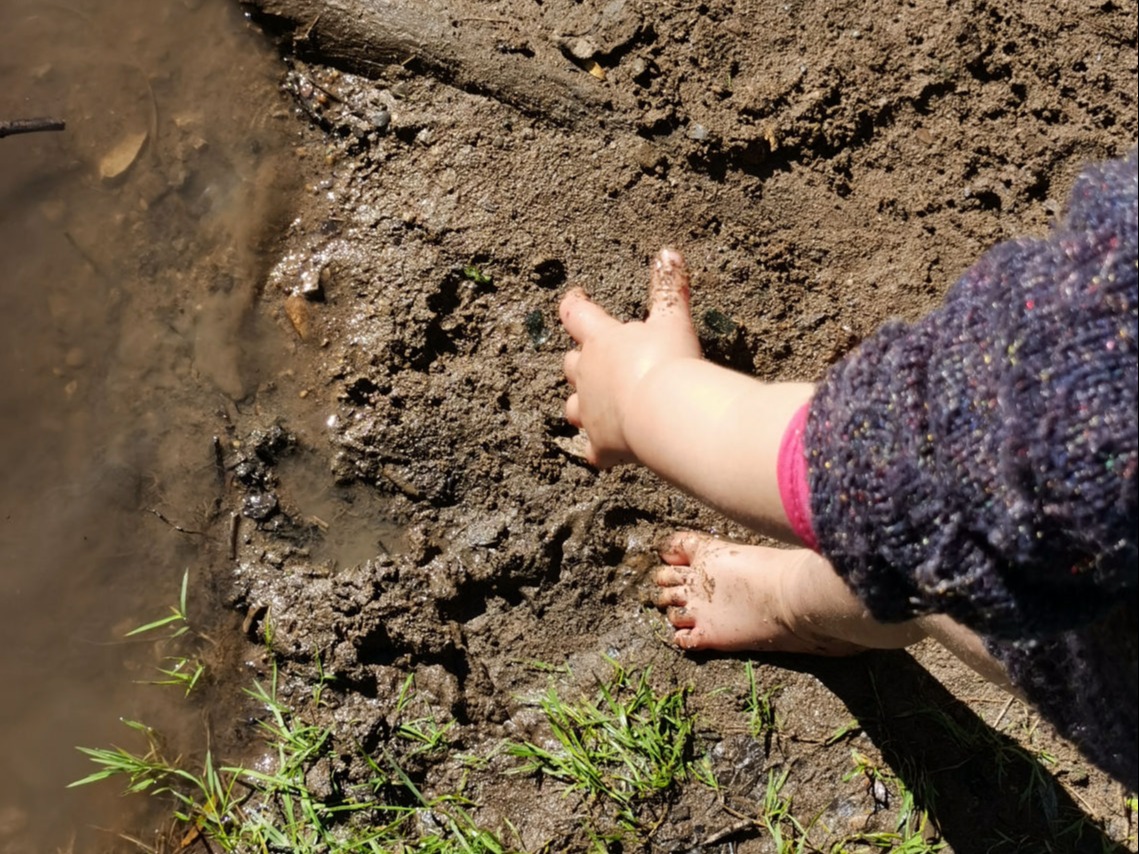
The environment of Les Herbes Hautes allows us to reconnect deeply with nature. For us, this is essential to a balanced life: nature restores, awakens the senses, inspires, teaches, and supports individuals—both children and adults.
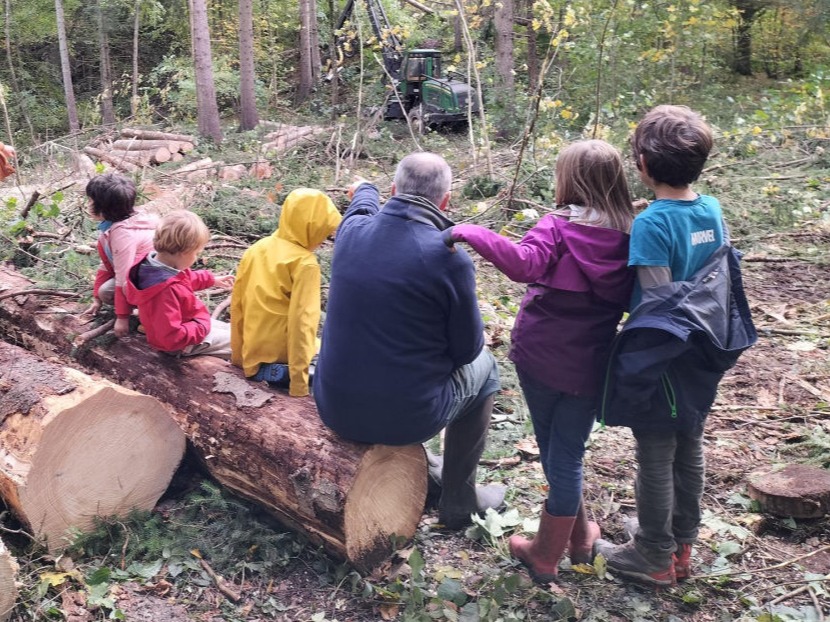
Days in the forest are organized at least once a week. Beyond their value for learning, health, and personal development, they nurture autonomy, cooperation, and solidarity.
Allowing children to develop an intimate relationship with nature—to step outside the domesticated world and engage with the “more-than-human world”—is, for us, a necessary commitment in response to today’s ecological challenges.
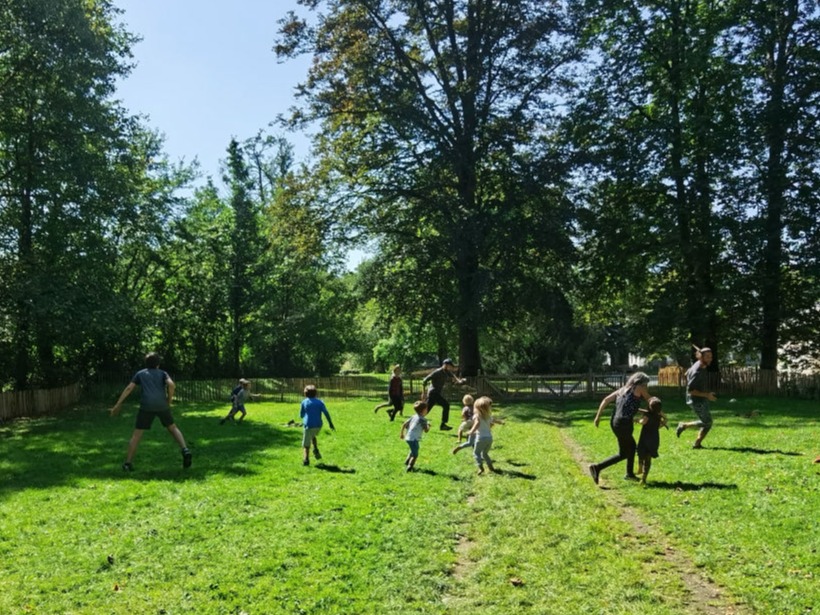
Les Herbes Hautes is a welcoming place built on encounters and conversations. These moments nurture open-mindedness, spark collective energy, and encourage mutual support and solidarity.
To strengthen cohesion and foster a shared culture, regular sharing circles are organized. We also place great importance on communicating with kindness and empathy.
While we aim to cultivate a strong and meaningful sense of “we,” we do not seek to confine children within a closed community. On the contrary, we encourage them to root themselves in a place, to build emotional connections with it, and then to feel confident exploring beyond—opening themselves to the wider world in all its richness.
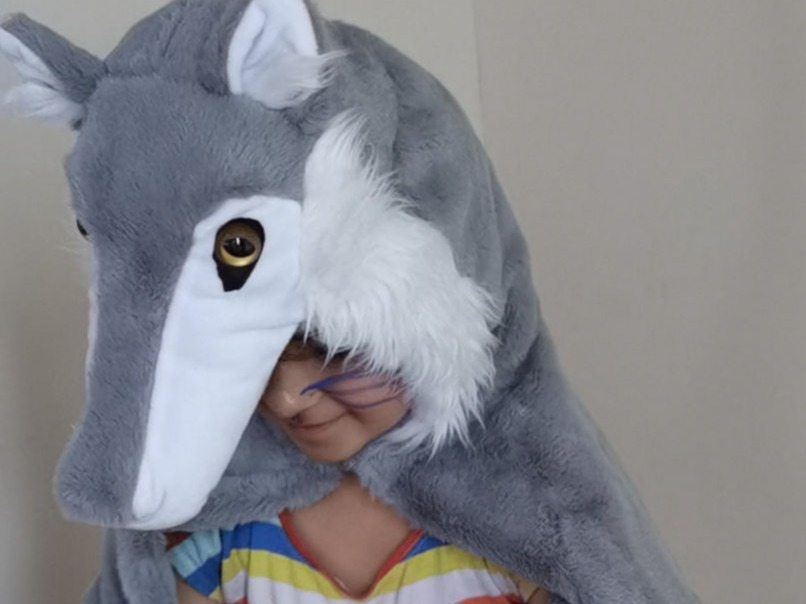
Being present in the world also means connecting with one’s deep authenticity—being open to emotions, sensitivity, imagination, and intuition. At Les Herbes Hautes, we pay attention to all dimensions of the child (physical, mental, emotional, and spiritual). We ensure that moments of meditation, yoga, artistic creation, and other practices that support inner grounding are regularly offered.
At the same time, through self-governance and a culture of kindness, we aim to create a space where everyone can fully be themselves. By preserving each child’s natural enthusiasm—without stifling it through conformity or adult expectations—the child remains connected to their true, living self.
In touch with their inner world and what moves them, they come to understand their abilities, their real needs, what they can offer, and when to turn to the collective for support.
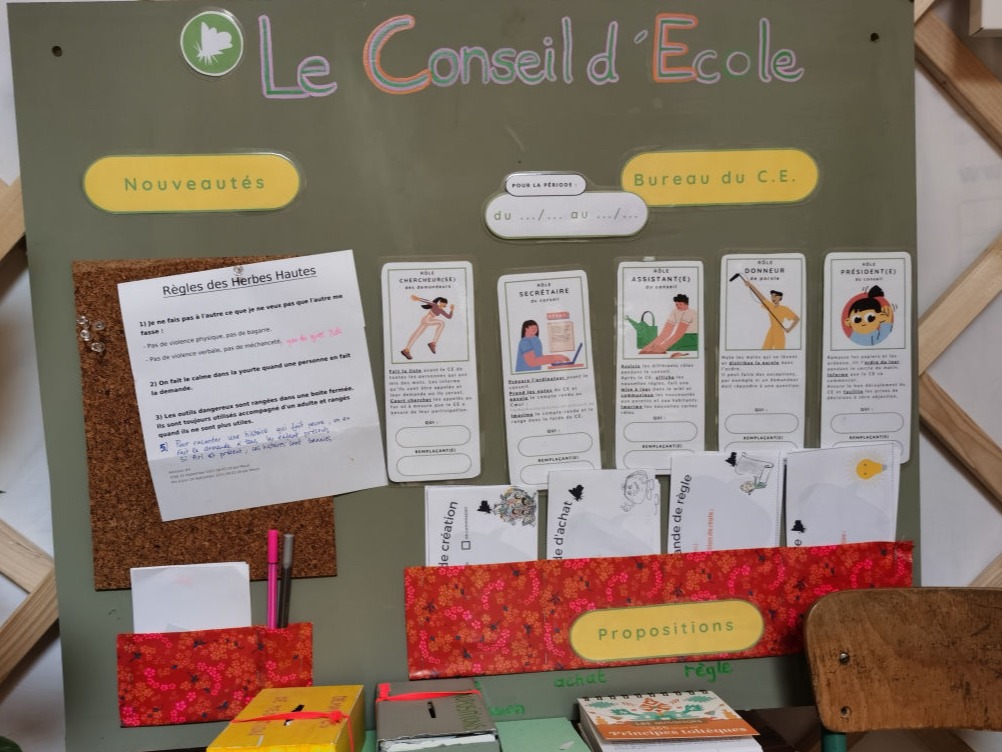
A council is held approximately every two weeks to coordinate and harmonize group life, make decisions together, agree on shared rules, and reflect on any necessary adjustments.
Decisions are made by consent: rather than seeking unanimous agreement, a proposal is adopted as long as no one has a reasoned and significant objection. This approach allows the group to move forward collectively while ensuring that each voice is heard and respected.
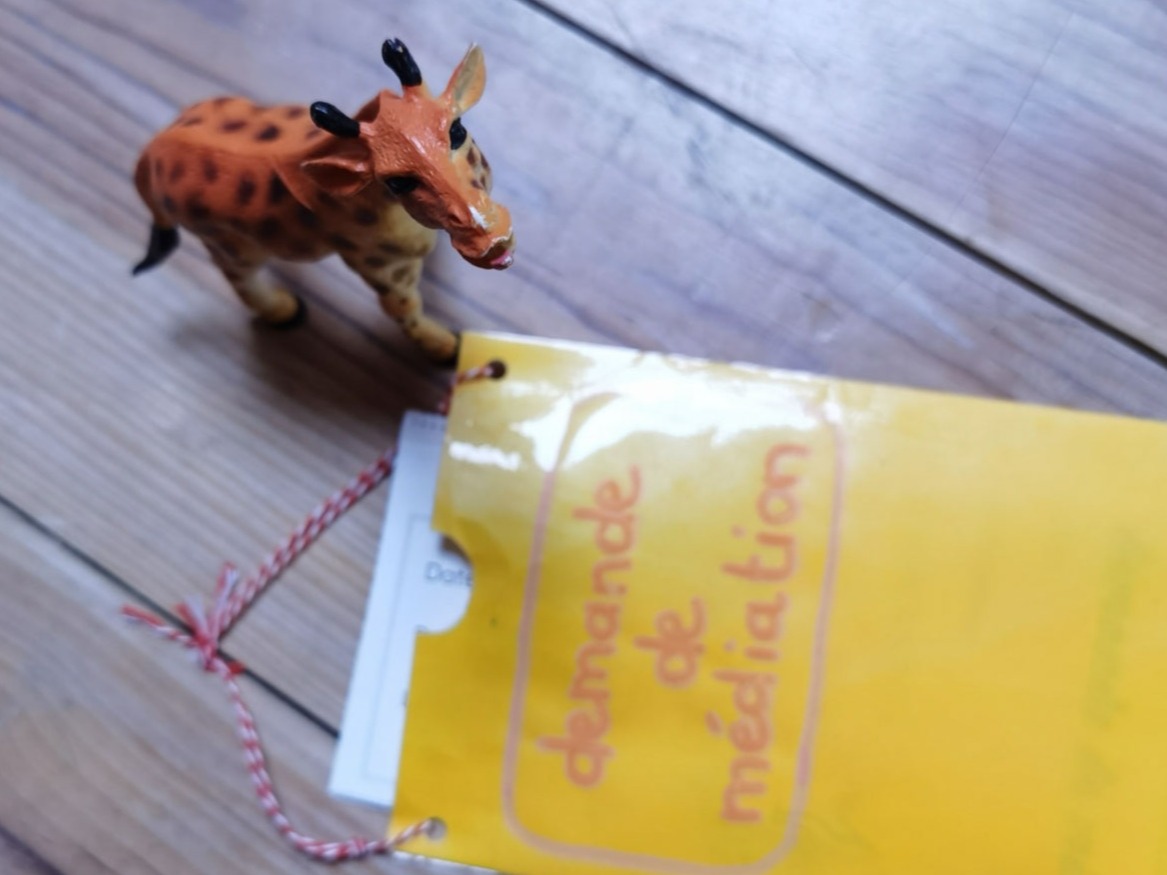
Any member (child or adult) can request mediation to resolve a difficulty or conflict. The mediator then supports those involved in finding their own solution, using nonviolent communication (listening to feelings and needs).
To foster equality and freedom, we must take a moment to reflect on the relationship between children and adults in our society. At Les Herbes Hautes, everyone is entitled to the same level of respect.
To support autonomous learning, adults often need to let go and temper their need for control.
Here, adults are invited to question their relationship to childhood and their own posture. We strive to raise awareness among those involved at Les Herbes Hautes and encourage a supportive, non-intrusive presence (through workshops and spaces for dialogue).
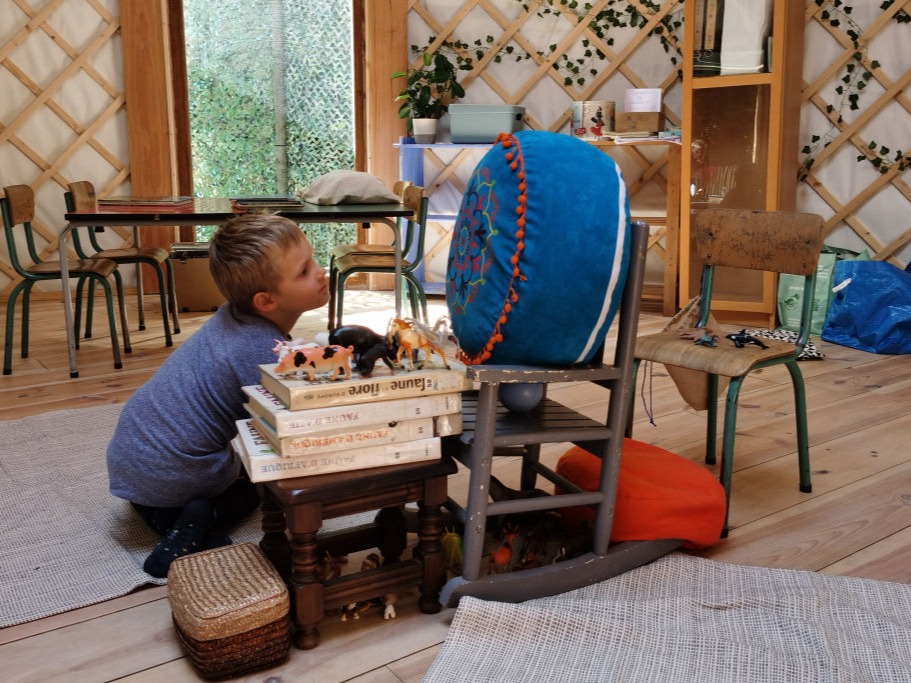
Free play has a central place at Les Herbes Hautes, and we take care not to interrupt it.
While its purpose is to have fun (rather than to educate), play offers a space where children can stretch their mental and physical limits. In doing so, it becomes a powerful ground for learning and creativity. Free play is an experience of joy—and this is precisely what makes it such a powerful educator.
“Play is the means by which nature teaches children to solve their own problems, master their impulses, regulate their emotions, take others’ perspectives, negotiate disagreements, and treat others as equals. Nothing can substitute for play in developing these skills.”
— Peter Gray, Free to Learn
We trust in the child’s natural processes to acquire the knowledge needed for their development. We aim to give them the space to find their own path toward understanding the world around them and to explore their own questions.
Through this process of trial and exploration, the child observes, speculates, tests, theorizes, tries again, and learns from their mistakes. In finding their own answers, they also build self-confidence.
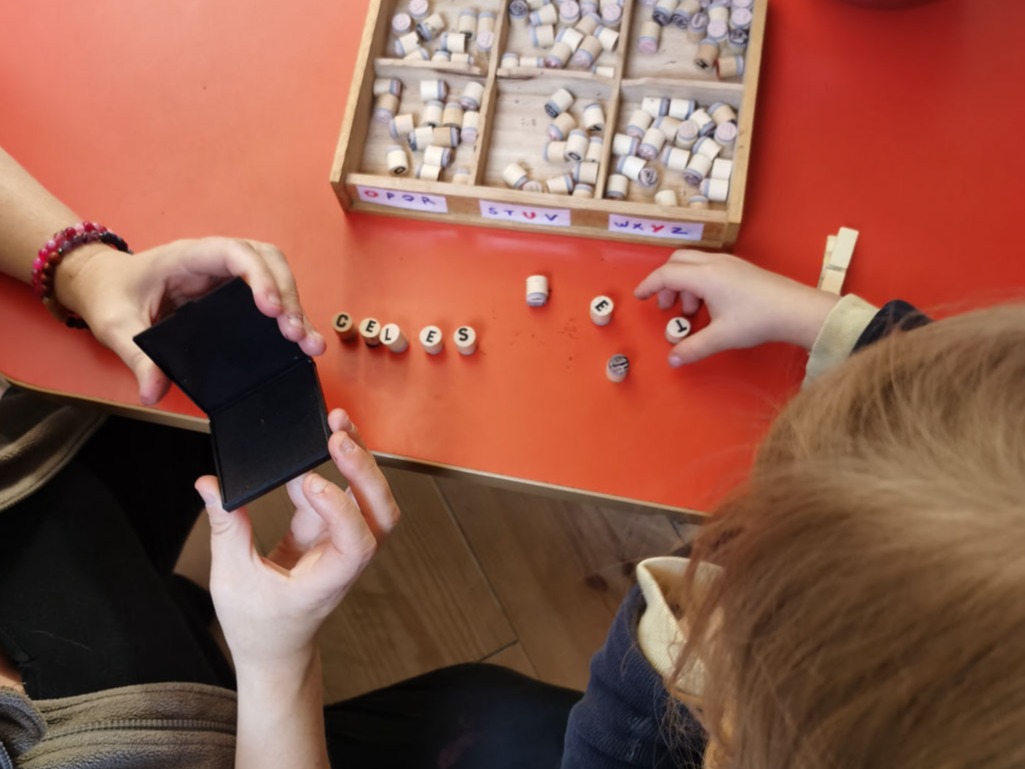
Just as a young child learns to speak when curiosity and desire are allowed to unfold naturally, learning to read can be simple when the child is the initiator and active participant in the process.
Learning is not seen as a goal in itself, but as a natural outcome that emerges when we are deeply engaged in something that truly inspires us.
Responsibility for the assessments required by the French Community within the framework of home education (EAD) lies with the parents.
Academic learning is welcome at Les Herbes Hautes. It may be offered (for example through workshops) and often takes place in an informal way.
A mutual support system has emerged lately supported by parents. Both adults and children discuss strategies (if needed) in preparation for inspections and exams.
At Les Herbes Hautes, the child is always at the heart of the decisions that concern them. April 2026
The Les Herbes Hautes Space
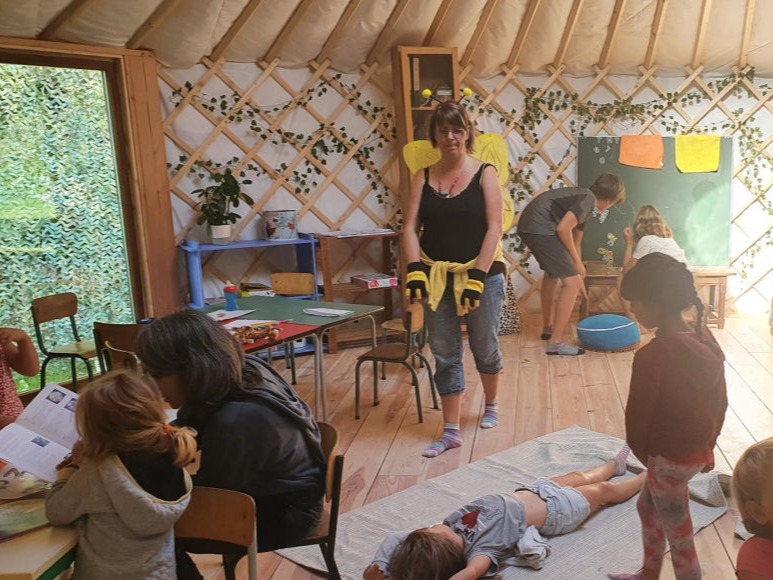
A yurt and a secure outdoor area, currently being developed together with the children.
From 2026 a 60 m² space in the main building, adaptable according to the activities of the moment—science workshops, arts, creative expression, a multimedia corner… The yurt will then be used for gatherings, dancing, yoga, meditation, music, making noise, and celebrating.
The Environment
The diverse spaces of Domaine Saint Roch: woods, ponds, river, meadows, and orchards.
The various activity areas on site (market gardening, animal farming, gîte hosting): people working on the domain open their workspaces at certain times during the week or come to lead workshops at Les Herbes Hautes.
The outside world: outings beyond the domain are regularly organized (library, theatre, etc.).
From 2026 shared spaces within the co-housing area are accessible—a library with many books and comics, a living room, a large kitchen…
Additional activities will gradually take place on site: a bakery, a grocery shop, a community café, and more.
The children: currently aged between 4 and 12, with mixed-age groups seen as a strength that encourages encounters, knowledge-sharing, mutual support, group self-regulation, and creativity.
Parents: this space thrives through the involvement of parents. They take part in it and are also invited to enjoy this space of freedom. Each family contributes according to their possibilities and desires (with a minimum level of involvement to be discussed individually).
A diversity of facilitators: including a professional, volunteers, external contributors, and members of the ecolieu cooperative—artisans, farmers, and others.
A few words on social diversity: we are aware of the challenges of making such a project accessible to a wide range of people, particularly due to the financial and personal commitment it requires. We hope to develop a scholarship system funded by donations. We are also exploring ways to build bridges with other structures (especially local schools) and to offer after-school workshops and programs open to all.
AI Website Maker